
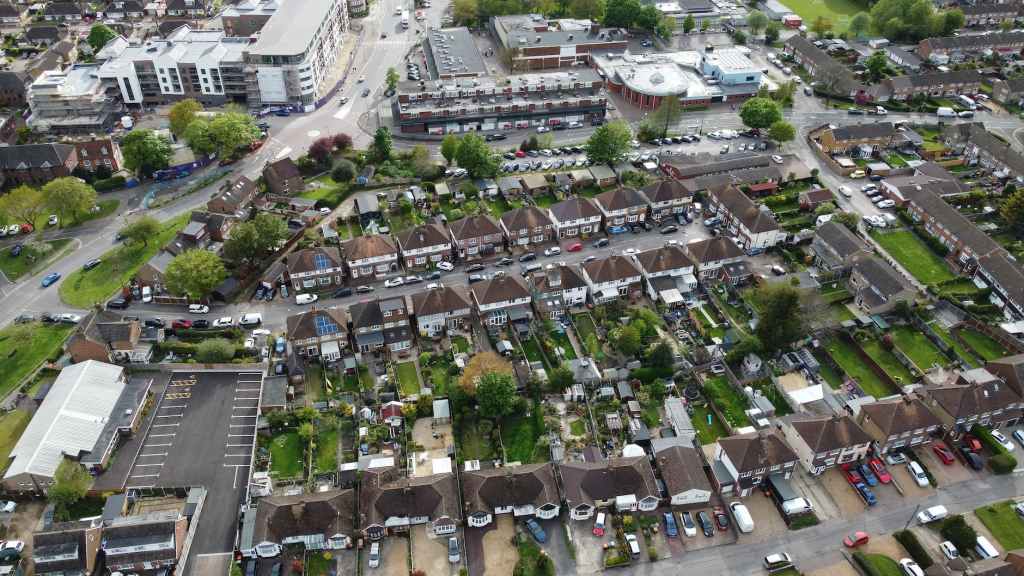
Living in gated communities or subdivisions in the Philippines offers several advantages for residents but let’s talk about the disadvantages as well. Here are some reasons why I think it’s an overall advantage to live in a subdivision.
The Advantages of Living in a Subdivision
1. Enhanced Security
Gated communities typically have controlled access points, such as gates and guards, providing an added layer of security. This helps to deter unauthorized individuals from entering the subdivision, reducing the risk of crime and promoting a sense of safety among residents.
2. Privacy and Exclusivity
Gated communities offer a more secluded and private living environment compared to open neighborhoods. The restricted access to the subdivision means that only residents and authorized visitors can enter, creating a sense of exclusivity and reducing unwanted traffic.
3. Peaceful and Quiet Environment
Gated communities often have restricted entry and traffic regulations, leading to reduced noise levels and a more tranquil living experience. This can be particularly appealing for individuals or families seeking a peaceful retreat away from the hustle and bustle of the city.
4. Well-Maintained Infrastructure and Amenities
Gated communities usually have strict regulations and homeowner associations that ensure the upkeep of common areas, infrastructure, and amenities within the community. This can include landscaped gardens, parks, playgrounds, swimming pools, fitness centers, and more. Such amenities are typically well-maintained and accessible exclusively to residents.
5. Community Spirit and Social Opportunities
Gated communities often foster a sense of community and provide opportunities for social interactions. Residents can participate in community events, gatherings, or activities organized within the community, fostering a sense of belonging and camaraderie among neighbors.
6. Controlled Environment for Children
Gated communities offer a controlled environment, making them ideal for families with children. With limited vehicle traffic and dedicated play areas, parents can feel more at ease allowing their children to play outdoors within the subdivision without constant supervision.
7. Higher Property Values
Properties located in gated communities tend to have higher property values compared to similar properties in non-gated areas. The enhanced security, privacy, well-maintained amenities, and overall desirability of gated communities contribute to the potential for better resale value and investment returns.
It’s important to note that gated communities may also have some potential drawbacks. However, for many individuals and families, the advantages of living in a gated community or subdivision outweigh the potential downsides, offering a desirable and comfortable living environment.
On the downside, here are some key drawbacks you might want to consider.
The Disadvantages of Living in a Subdivision
1. Higher Living Cost
Gated communities often require residents to pay regular association fees to cover the costs of security, maintenance, and amenities. These fees can vary widely depending on the subdivision and the range of services provided. The additional expenses can strain the budget of some homeowners, particularly those on a tight financial plan.
2. Restrictive Rules and Regulations
Gated communities often have strict rules and regulations that homeowners must follow. These can include architectural guidelines, limitations on exterior modifications, and regulations on parking, noise levels, and pet ownership. While these rules are intended to maintain the overall appearance and quality of the community, they can limit individual freedom and creativity in personalizing one’s home.
3. Lack of Diversity
Gated communities tend to attract residents from similar socioeconomic backgrounds. As a result, these communities may lack diversity in terms of age, income levels, and cultural backgrounds. This homogeneity can limit exposure to different perspectives, experiences, and cultures, potentially hindering social interactions and personal growth.
4. Limited Access and Inconvenience
While gated communities offer enhanced security, the controlled access points can also create inconveniences. Visitors may need to go through a registration process or obtain permission from residents before entering the subdivision. This can be time-consuming and may deter spontaneous gatherings or impromptu visits from friends and family.
5. Potential for Isolation
The seclusion and exclusivity of gated communities can sometimes lead to a sense of isolation. Residents may feel disconnected from the surrounding neighborhood and community. Limited interaction with people outside the subdivision can hinder opportunities for social engagement and a broader sense of belonging.
6. Dependency on Community Management
Gated communities often rely on homeowner associations or property management companies to handle community affairs. This dependency can sometimes result in power imbalances or disagreements between residents and the management. Conflicts may arise over decisions regarding maintenance, allocation of funds, or enforcement of rules and regulations.
7. Perception of Elitism
Some people view gated communities as symbols of exclusivity and privilege, which can create a perception of elitism. This perception can impact relationships with individuals from outside the community and may lead to tensions or stereotypes.
When considering the disadvantages of living in a subdivision, it’s essential to evaluate personal preferences, lifestyle, and financial circumstances. Conducting thorough research, visiting potential communities, and speaking with current residents can provide valuable insights to make an informed decision that aligns with individual needs and priorities.
If you were going to buy a residential property, would you choose to live in a gated community?
 Agent Janah